Black friday Up to 3 extra licenses FOR FREE + Special offer for TI LOOKUP Get it now
Webinar
February 26
Better SOC with Interactive Sandbox Practical Use Cases
Register now

PlugX

146
Global rank
117 infographic chevron month
Month rank
86 infographic chevron week
Week rank

PlugX is a remote access trojan that is used extensively by Chinese APTs. The malware is primarily employed for spying on victims and can perform a variety of malicious activities, such as logging users’ keystrokes and exfiltrating information from browsers.

Backdoor
Type
China
Origin
16 January, 2008
First seen
8 October, 2026
Last seen
Also known as
Destroy RAT
Kaba
Korplug
Sogu
TIGERPLUG
RedDelta

How to analyze PlugX with ANY.RUN

Type
China
Origin
16 January, 2008
First seen
8 October, 2026
Last seen

IOCs

IP addresses
48.209.133.15
162.159.36.2
74.179.77.204
104.126.37.162
135.233.95.135
48.192.1.65
48.192.1.64
74.178.76.128
57.153.246.3
184.24.77.17
131.253.33.203
23.11.41.157
2.21.239.135
172.211.123.249
2.16.204.135
20.190.160.128
23.59.18.102
48.209.6.48
204.79.197.203
2.23.246.101
Hashes
5b798cf328c17ecd6a2e759c9adc695b068640226f0d4fae049bcb6470d4ae56
32391ce6eca836369cfd5b3948ba978b7982dd3a85b81bb33c973773adeaef01
5f1073c3ccd03187ee7965fb1942e4e5f7f3ab2445445c26eac23377c380ca0d
96ad1146eb96877eab5942ae0736b82d8b5e2039a80d3d6932665c1a4c87dcf7
664f2b1654c363a6348b688d5d475ed9ec0e7ef3c72f6f315f37fe97a2fe63eb
ebe9013f30f70cb1b3d021ef83ebed7fcadde857f7ae47efd5a23857a493d96f
9c0e7f829b46760aab20eda352a6429d98dd902feb26614737dc696ebc7d690e
93b4bc7760d8555471d1dabe3717e3b09fb44295d4536c7eceec778b61d7cb4b
5c859ca16583d660449fb044677c128a9cdedd603d9598d4670235c52e359bf9
3144079c68ba00cebfd05239a2f5bd406096ec02e13e8571ca24313df7a5b679
90a5c1c5dc2278063478fbc8f2ac072ccf0489d7b3f81a6ed35b7d712b4b7b84
a13161d957ef1bf6362cbc488a82ffca8f6f52f48143f1110616b9c540e5997a
ef4c7f4c417c18cd3394dd81ccd94381af252e0af81b0ad89b7e6d81412f4706
88045766007380b99fa7874c633d66bcb17d3314b6145ad5f8d8216e8e24b375
96a956cace6aa05a05aa4244290c8702aaaacf76e7d66b58f451936b836b341c
b3d819160421011c002e1c4bd2621b15566134937e700697258eba954de5836b
1179d1e005587279ac26c271773f7b35914c759518fa7a7f9c4646a02e644dbc
35311bb7becba40d1fd99414cc1d14db837630e3ea13804442698b777476fe76
af646b2cbcf09e09df23e91d7164dbaf331d3729a008503126bf40803034e502
a0130462172ef03869349d9fff564e9f66a76f31fcceded5d7ae5f9c64c42563
Domains
135.95.233.135.in-addr.arpa
activation-v2.sls.microsoft.com
settings-win.data.microsoft.com
ecs.office.com
www.bing.com
slscr.update.microsoft.com
fe3cr.delivery.mp.microsoft.com
google.com
self.events.data.microsoft.com
www.microsoft.com
client.wns.windows.com
oneocsp.microsoft.com
ocsp.digicert.com
th.bing.com
crl.microsoft.com
login.live.com
go.microsoft.com
nexusrules.officeapps.live.com
fast.bacguarp.com
54.94.165.20.in-addr.arpa
URLs
https://www.bing.com/threshold/xls.aspx?t=5&dl=1&f=9&wsbc=1
https://activation-v2.sls.microsoft.com/slactivateproduct/slactivateproduct.asmx?configextension=retail
https://slscr.update.microsoft.com/sls/%7b522d76a4-93e1-47f8-b8ce-07c937ad1a1e%7d/x64/10.0.19045.4046/0?ch=686&l=en-us&p=&pt=0x30&wua=10.0.19041.3996&mk=dell&md=dell
https://fe3cr.delivery.mp.microsoft.com/clientwebservice/ping
http://crl.microsoft.com/pki/crl/products/microoceraut2011_2011_03_22.crl
http://ocsp.digicert.com/mfewtzbnmeswstajbgurdgmcgguabbtrjrydryt%2bapf3gspypfhbxr5xtqqus9tippmhxdiunkhmewnpyim8s8yceajtxtab8my1oj8mfwpz%2f7y%3d
http://oneocsp.microsoft.com/ocsp/mfqwujbqme4wtdajbgurdgmcgguabbq3l3%2f%2fa6adk8nray2gxzvayrhg4aqub6t%2b2v%2bxq3lso2d33ojhnyhhqoucezmaaaafuwohyjguzpcaaaaaaau%3d
http://ocsp.digicert.com/mfewtzbnmeswstajbgurdgmcgguabbq50otx%2fh0ztl%2bz8sipi7wewvxdlqqutijuibiv5unu5g%2f6%2brks7qyxjzkceaz1vqyrvgl0erhqlcpm8gy%3d
https://login.live.com/rst2.srf
https://login.live.com/ppsecure/deviceaddcredential.srf
https://th.bing.com/th?id=odswg.iotdlocalicon&w=16&h=16&c=1&rs=1&p=0
http://www.microsoft.com/pkiops/crl/microsoft%20ecc%20update%20secure%20server%20ca%202.1.crl
https://slscr.update.microsoft.com/sls/ping
https://slscr.update.microsoft.com/sls/%7be7a50285-d08d-499d-9ff8-180fdc2332bc%7d/x64/10.0.19045.4046/0?ch=686&l=en-us&p=&pt=0x30&wua=10.0.19041.3996&mk=dell&md=dell
http://www.microsoft.com/pkiops/crl/microsoft%20secure%20server%20ca%202026.crl
https://settings-win.data.microsoft.com/settings/v3.0/wsd/waasassessment?os=windows&osver=10.0.19041.1.amd64fre.vb_release.191206-&ring=retail&sku=48&deviceclass=windows.desktop&locale=en-us&deviceid=bad99146-31d3-4ec6-a1a4-be76f32ba5d4&flightring=retail&telemetrylevel=1&hidovergattreg=c%3a%5cwindows%5csystem32%5cdriverstore%5cfilerepository%5chidbthle.inf_amd64_9610b4821fdf82a5%5cmicrosoft.bluetooth.profiles.hidovergatt.dll&appver=10.0&processoridentifier=amd64%20family%2023%20model%201%20stepping%202&oemmodel=dell&updateoffereddays=4294967295&processormanufacturer=authenticamd&installdate=1661339444&oemmodelbaseboard=&branchreadinesslevel=cb&oemsubmodel=j5cr&isclouddomainjoined=0&deferfeatureupdateperiodindays=30&isdeviceretaildemo=0&flightingbranchname=&osuilocale=en-us&devicefamily=windows.desktop&wuclientver=10.0.19041.3996&uninstallactive=1&isflightingenabled=0&osskuid=48&processorclockspeed=3094&totalphysicalram=6144&securebootcapable=0&app=waasassessment&processorcores=6&currentbranch=vb_release&installlanguage=en-us&deferqualityupdateperiodindays=0&servicingbranch=cb&oemname_uncleaned=dell&tpmversion=0&primarydisktotalcapacity=262144&installationtype=client&attrdataver=186&processormodel=amd%20ryzen%205%203500%206-core%20processor&isedgewithchromiuminstalled=1&osversion=10.0.19045.4046&ismdmenrolled=0&activationchannel=retail&honorwufbdeferrals=0&firmwareversion=a.40&trendinstalledkey=1&osarchitecture=amd64&defaultuserregion=244&updatemanagementgroup=2
https://go.microsoft.com/fwlink/?linkid=2257403&clcid=0x409
https://settings-win.data.microsoft.com/settings/v3.0/wsd/updatehealthtools?os=windows&osver=10.0.19041.1.amd64fre.vb_release.191206-&sku=48&deviceclass=windows.desktop&locale=en-us&deviceid=s:bad99146-31d3-4ec6-a1a4-be76f32ba5d4&sampleid=s:95271487&appver=10.0.19041.3626&flightring=retail&telemetrylevel=1&hidovergattreg=c%3a%5cwindows%5csystem32%5cdriverstore%5cfilerepository%5chidbthle.inf_amd64_9610b4821fdf82a5%5cmicrosoft.bluetooth.profiles.hidovergatt.dll&appver=&processoridentifier=amd64%20family%2023%20model%201%20stepping%202&oemmodel=dell&updateoffereddays=4294967295&processormanufacturer=authenticamd&installdate=1661339444&oemmodelbaseboard=&branchreadinesslevel=cb&oemsubmodel=j5cr&isclouddomainjoined=0&deferfeatureupdateperiodindays=30&isdeviceretaildemo=0&flightingbranchname=&osuilocale=en-us&devicefamily=windows.desktop&wuclientver=10.0.19041.3996&uninstallactive=1&isflightingenabled=0&osskuid=48&processorclockspeed=3094&totalphysicalram=6144&securebootcapable=0&app=sedimentpack&processorcores=6&currentbranch=vb_release&installlanguage=en-us&deferqualityupdateperiodindays=0&oemname_uncleaned=dell&tpmversion=0&primarydisktotalcapacity=262144&installationtype=client&attrdataver=186&processormodel=amd%20ryzen%205%203500%206-core%20processor&isedgewithchromiuminstalled=1&osversion=10.0.19045.4046&ismdmenrolled=0&activationchannel=retail&firmwareversion=a.40&trendinstalledkey=1&osarchitecture=amd64&defaultuserregion=244&updatemanagementgroup=2
http://www.microsoft.com/pkiops/crl/microsoft%20time-stamp%20pca%202010(1).crl
http://www.microsoft.com/pkiops/crl/microsoft%20update%20signing%20ca%202.2.crl
Last Seen at

Recent blog posts

post image
Making Threat Intelligence Work for SOC Teams...
watchers 4611
comments 0
post image
5 Critical Pain Points of Modern US SOCs and...
watchers 6582
comments 0
post image
IronChain Ransomware Threatens Businesses wit...
watchers 9728
comments 0

What is PlugX malware?

PlugX is a remote access trojan (RAT) family used to gain access to and control computers. It has been around since 2008 and continues to be exploited today by advanced persistent threat (APT) groups, including Mustang Panda.

The malware is often employed for spying on victims, as it possesses a considerable set of tools that make it a go-to-option for attackers. Among other things, it can be utilized to log users’ keystrokes and exfiltrate sensitive information. As a result, PlugX has been involved in numerous attacks on organizations, primarily in Asia. However, there are also instances of attacks on private companies.

Use ANY.RUN free for 14 days

Try the full power of interactive analysis

Start your free trial

Technical details of the PlugX malicious software

Due to the fact that PlugX has been around for over a decade, the malware has undergone numerous iterations, and multiple variants have been created as a result. However, in most cases, they share similar functionality, which includes:

  • Collecting details about the operating system, hardware components, installed applications, and network settings.
  • Exfiltrating usernames, login credentials, personal information, and browsing history.
  • Recording every keystroke made on the infected system.
  • Managing processes, allowing the attackers to manipulate the system, including by turning off antivirus software.
  • Modifying registry entries, facilitating persistence on the computer.
  • Recording the screen of a compromised device.

PlugX has been known to leverage DLL side-loading to execute its malicious payload. DLL side-loading is a technique employed by malware to evade detection by traditional security measures. It involves injecting malicious code into a legitimate DLL (Dynamic Link Library) file, which is then executed by a trusted application.

Another persistence mechanism used by PlugX is the modification of the Windows Registry to kickstart its execution during every system booting.

Similar to njRAT and LimeRAT, PlugX makes use of USB-based propagation. It enables the malware to spread to other systems via infected USB devices.

Execution process of PlugX

We observe the entire execution chain of PlugX in ANY.RUN by submitting its sample for analysis.

PlugX is known for utilizing system applications and legitimate files in its attempts to evade defense mechanisms. In our example, the malware drops a legitimate ESET EHttpSrv.exe file (renamed as esetservice.exe) that is exploited to load the http_dll.dll. This DLL file has the capability to collect files from the infected system.

Expose malicious activities and get IOCs with ANY.RUN sandbox

  • Analyze malware in Windows 7, 10, and 11 VMs
  • Interact with files and links, just like on your own computer
  • Work in a private team space with your colleagues
Request 14-day free trial

The Remote Access Trojan (RAT) also exploits the dllhost process and runs an esetservice process as a service. Following privilege escalation, PlugX injects run once, establishing a connection to a Command and Control (C2) server and awaiting commands for subsequent malicious activities.
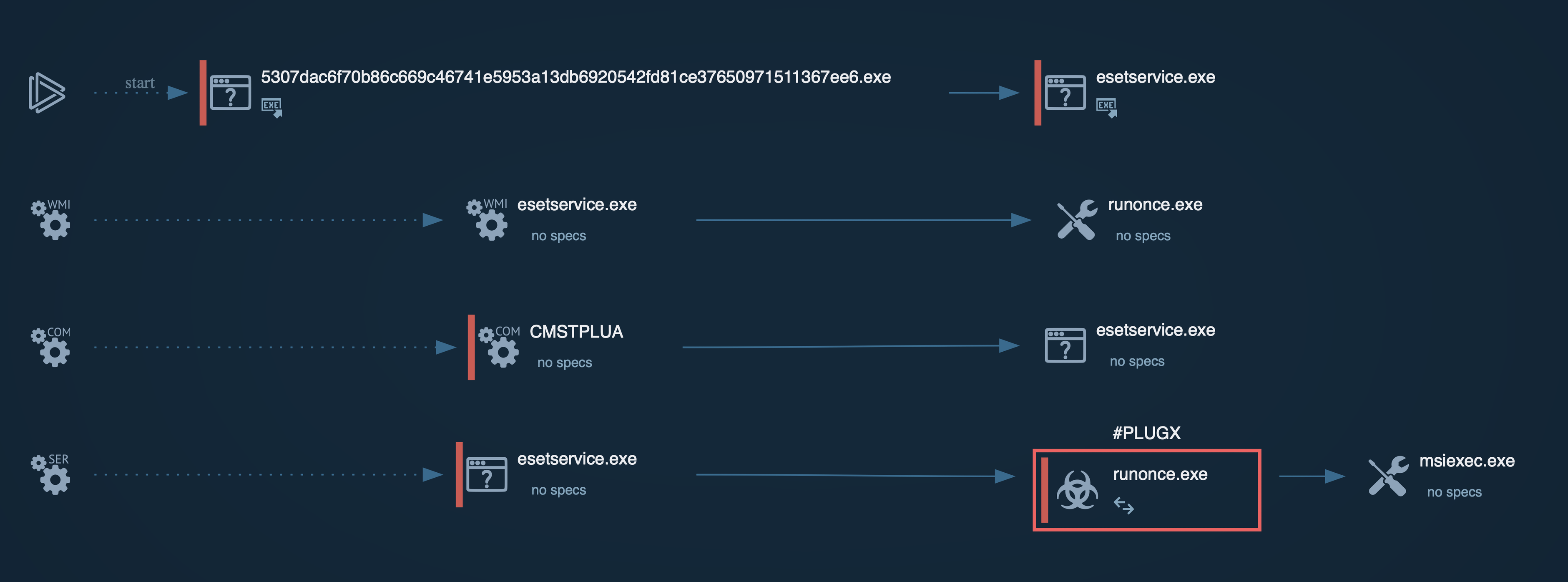
PlugX process graph in ANY.RUN PlugX`s process graph demonstrated in ANY.RUN

Distribution methods of the PlugX malware

Apart from USB-based distribution, PlugX is most often spread via phishing emails. Attackers usually place the malware inside an archive which is sent to victims in the form of an attachment. Once they open and launch the files inside the archive, the execution process begins.

Conclusion

PlugX is one of the most persistent threats in the world that has been actively used since 2008. Despite its long history, it regularly evolves, gaining new capabilities and features that allow it to beat defense systems. To make sure your organization remains safe from a PlugX infection, it is vital to keep up with the latest samples of the malware and its behavior. To this end, you can use ANY.RUN.

ANY.RUN is a cloud-based malware analysis sandbox that lets you investigate any threat to unveil its TTPs and collect IOCs. Thanks to its advanced interactivity, ANY.RUN makes it possible to conduct malware analysis by engaging with the malware and the infected system just like on a standard computer.

Try ANY.RUN for free – request a demo!
HAVE A LOOK AT

PXA Stealer screenshot
PXA Stealer
pxastealer
PXA Stealer is an information-stealing malware that targets individuals and organizations in 60+ countries. It spreads via phishing, archives, and fake software updates. DLL sideloading, decoy documents, and obfuscation help it evade security tools. Exfiltrated data is exfiltrated and monetized through underground marketplaces.
Read More
DeerStealer screenshot
DeerStealer
deerstealer
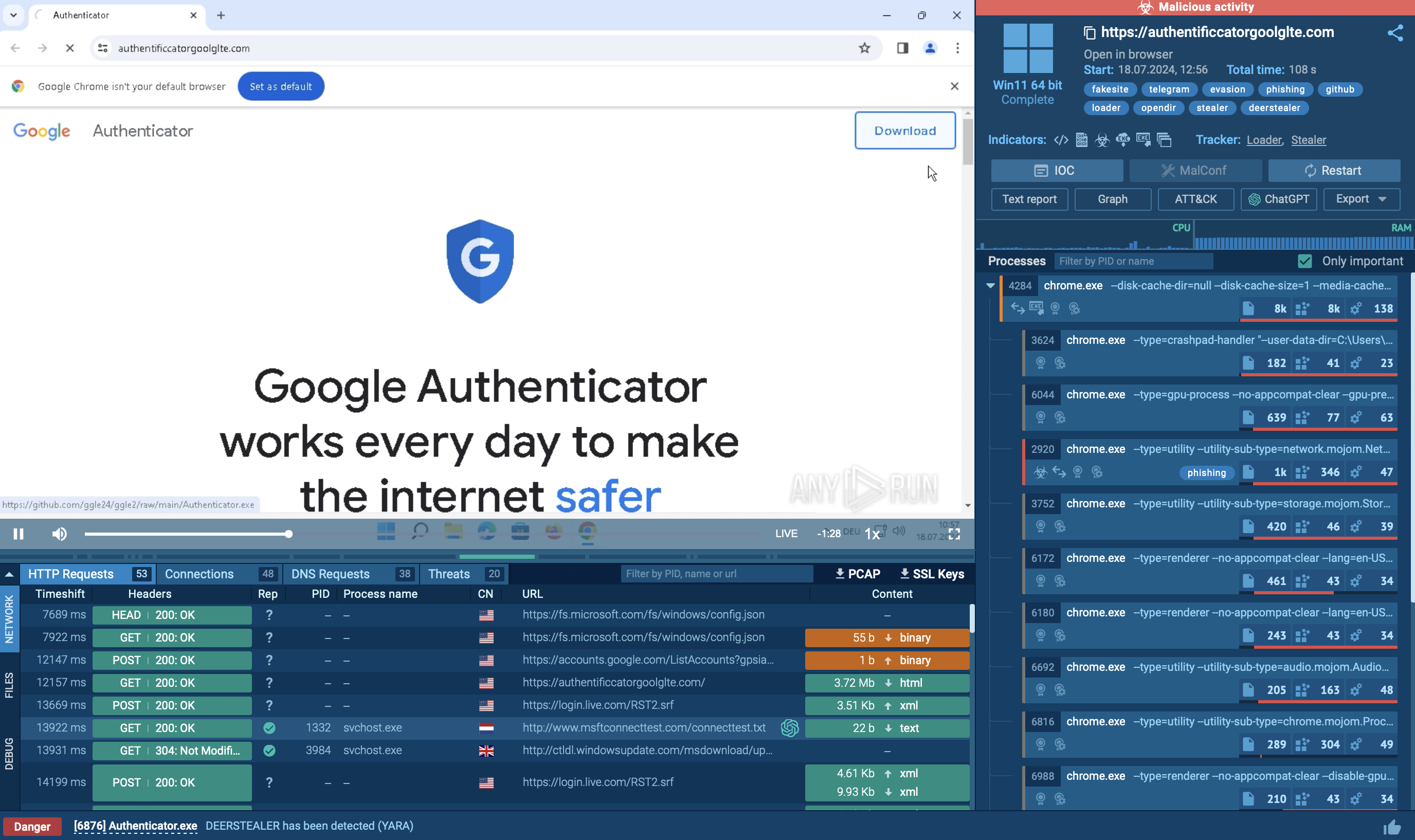
DeerStealer is an information-stealing malware discovered in 2024 by ANY.RUN, primarily targeting sensitive data such as login credentials, browser history, and cryptocurrency wallet details. It is often distributed through phishing campaigns and fake Google ads that mimic legitimate platforms like Google Authenticator. Once installed, it exfiltrates the stolen data to a remote command and control (C2) server. DeerStealer’s ability to disguise itself as legitimate downloads makes it particularly dangerous for unsuspecting users.
Read More
Salvador Stealer screenshot
Salvador Stealer
salvador
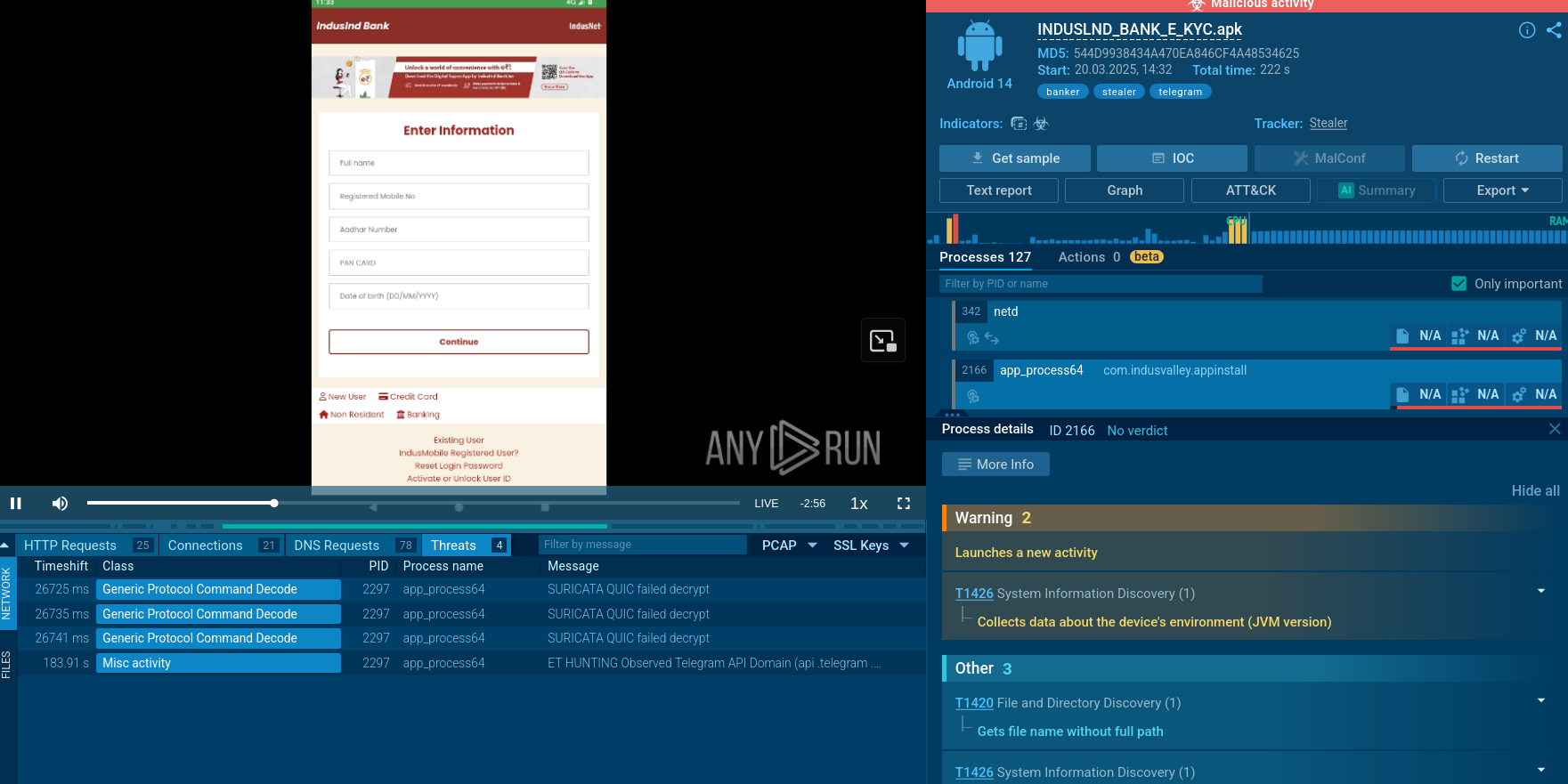
Salvador Stealer is a powerful, information-stealing Android malware designed to silently infiltrate systems, extract sensitive data, and exfiltrate it to cybercriminals. Often sold on underground forums, it is part of the growing ecosystem of “stealers-as-a-service” (SaaS) tools that target individuals and organizations alike.
Read More
Rootkit screenshot
Rootkit
rootkit bootkit
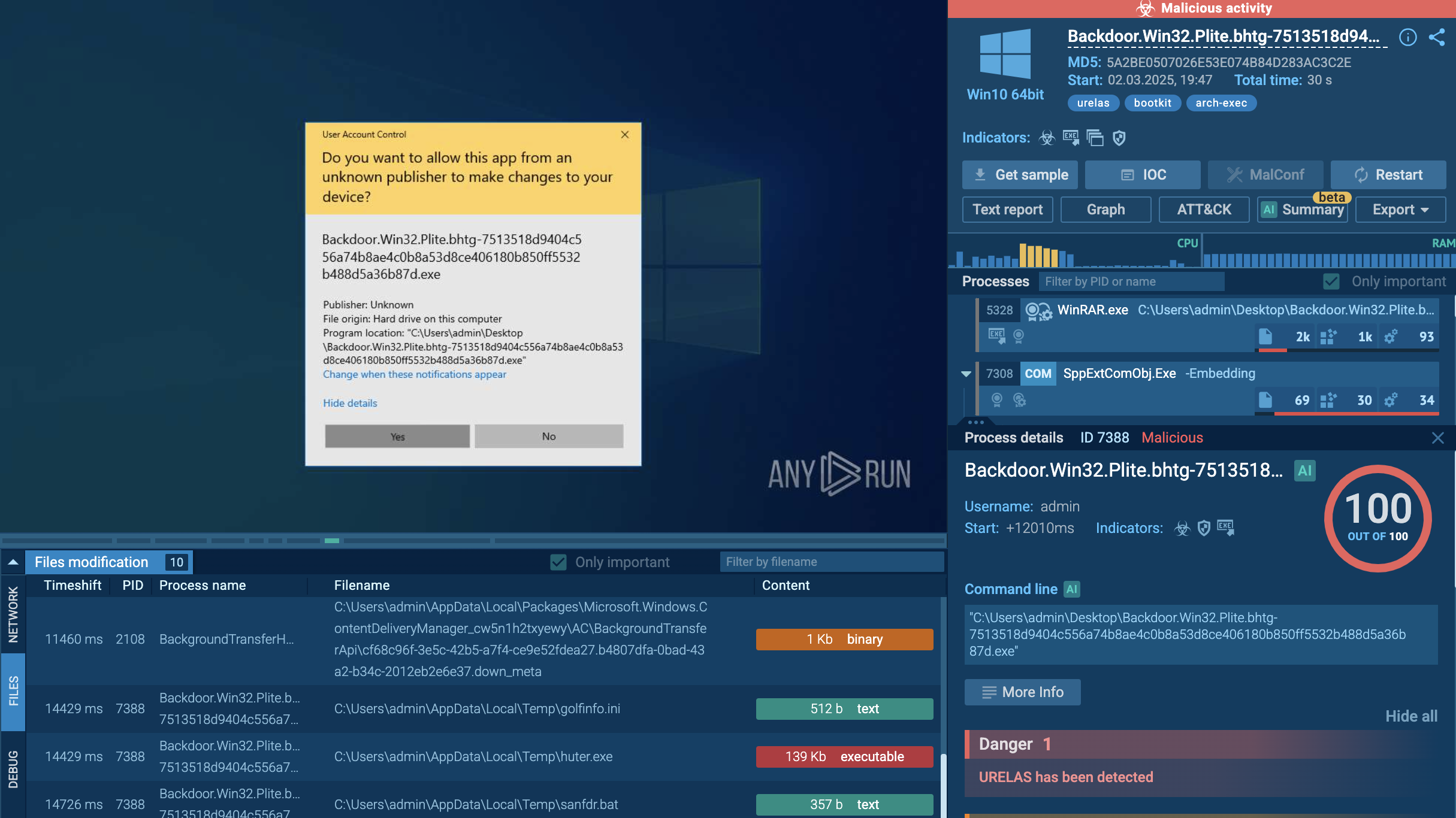
A rootkit is a type of malicious software designed to provide unauthorized administrative-level access to a computer or network while concealing its presence. Rootkits are tools used by cybercriminals to hide their activities, including keyloggers, spyware, and other malware, often enabling long-term system exploitation.
Read More
CastleLoader screenshot
CastleLoader
castleloader
CastleLoader is a modern malware loader designed to quietly establish initial access and deliver follow-up payloads such as stealers, RATs, and ransomware. It focuses on stealth, flexibility, and rapid payload rotation, making it an effective tool for financially motivated threat actors and a persistent problem for enterprise defenders.
Read More
DarkCloud screenshot
DarkCloud
darkcloud
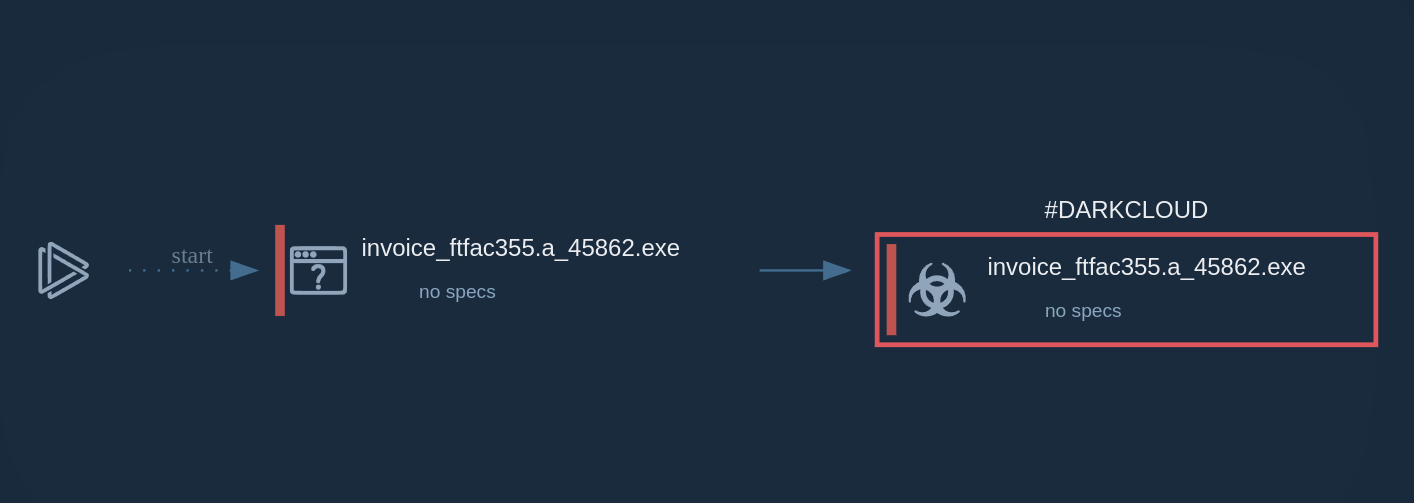
DarkCloud is an infostealer that focuses on collecting and exfiltrating browser data from the infected device. The malware is also capable of keylogging and crypto address swapping. DarkCloud is typically delivered to victims’ computers via phishing emails.
Read More