


Adding 10 new clients sounds like exactly the kind of problem an MSSP wants to have. More revenue, more accounts, more room to grow.
But growth also brings more alerts, suspicious files and URLs, investigations, escalations, reports, and SLA commitments. And if too much of that work still depends on manual analyst effort, those 10 new clients can put pressure on the SOC faster than expected.
That is usually where the cracks start to show: analysts spend more time on each case, escalations pile up, and keeping the same level of service gets harder.
1. Alert Volume Grows Faster Than Analyst Capacity
The first pressure usually shows up in the investigation queue.
Every new client adds another stream of alerts to the SOC. Some are easy to dismiss, while others send analysts into a longer process: opening files, checking URLs, following redirects, collecting IOCs, and figuring out whether the activity is actually malicious.
The workload grows especially fast when analysts have to keep stepping in just to move an investigation forward. A phishing page may hide the next stage behind a CAPTCHA, a QR code, or another interaction. If the analysis stops there, someone has to take over manually before the team can see what comes next.
Let Automation Handle the Routine Steps, Then Bring Analysts in When Needed
A lot of the time spent on phishing and malware analysis comes from small steps that keep interrupting the investigation.
In ANY.RUN’s Interactive Sandbox, analysis with Automated Interactivity can continue through common obstacles such as CAPTCHAs, redirects, and links hidden behind QR codes. The investigation keeps moving instead of stopping every time the attack requires another click or action.
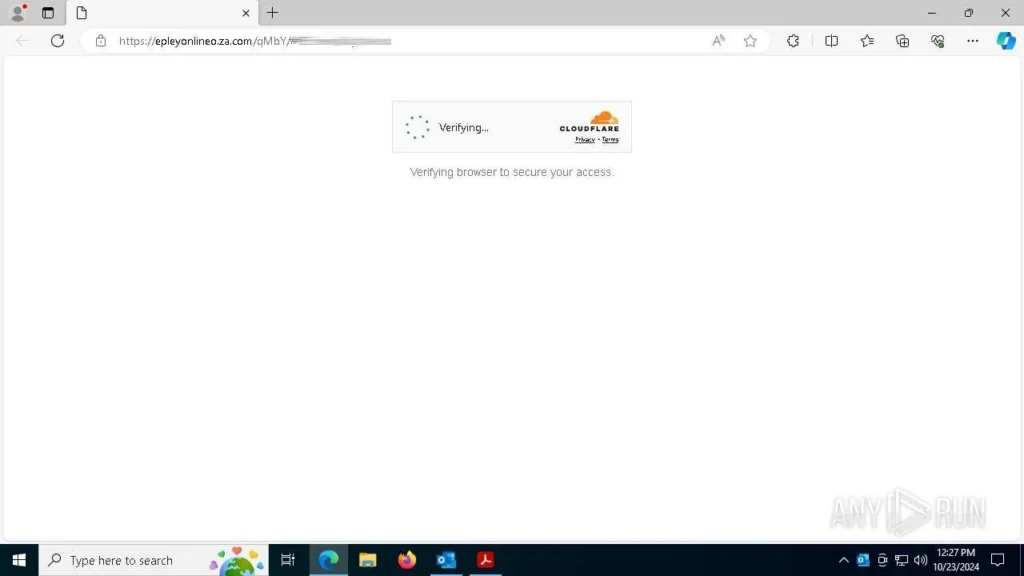
Analysts can then step in when their judgment is actually needed: interact with the environment, test suspicious behavior, follow a specific attack path, or inspect what happens after a certain action.
For an MSSP handling investigations across many customers, that combination matters. Routine steps take less analyst time, while the team still keeps control over the cases that need a closer look.
2. Investigation Context Becomes the Hidden Time Sink
As the client base grows, analysts spend more time not only investigating threats but also figuring out what the indicators around them actually mean.
A suspicious domain, IP, hash, or URL may need to be checked against several sources before the analyst can tell whether it is part of a known campaign, tied to malicious infrastructure, or connected to attacks seen elsewhere.
See the Bigger Picture Around the Indicator
A single IOC rarely tells the whole story. Analysts need to know what sits around it: related domains, IPs, URLs, malware, infrastructure, and other attacks where the same indicators appeared.
Threat intelligence can help fill in that wider picture. In ANY.RUN, that context is built from activity observed across a global user base of more than 700,000 security professionals and 16,000 organizations.
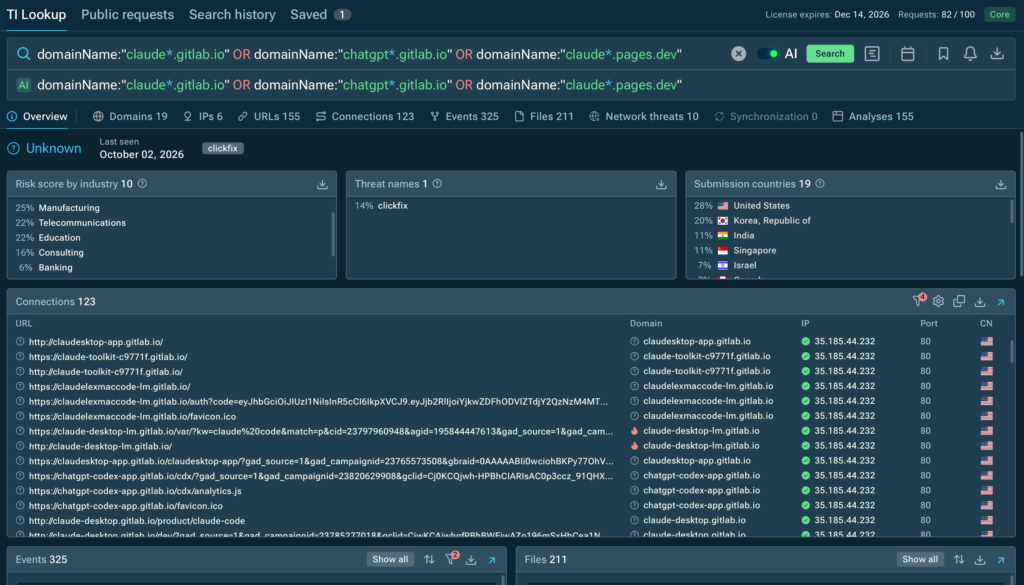
That can help analysts see whether a suspicious indicator has appeared in other attacks, what it was connected to, and whether it points to a broader campaign rather than an isolated event.
For an MSSP, this can shorten the research part of the investigation and give analysts more context before they decide whether to contain, escalate, or report the case to the customer.
3. Handoffs Start Creating Duplicate Work
As the number of cases grows, more investigations move between analysts and teams. And that is where time can easily get lost.
Tier 1 may already have checked the file or URL, reviewed the behavior, collected IOCs, and identified what looks suspicious. But if that work is passed to Tier 2 as scattered notes or a short ticket update, the next analyst may need to go through much of the same investigation again.
Make the First Investigation Useful for the Next Analyst
A better handoff should carry the investigation forward, not send it back to the beginning.
ANY.RUN’s Tier 1 reports are generated automatically from the analysis and bring the key findings into one place, including a summary of the activity, detected behavior, IOCs, and AI-generated recommendations for the next steps.
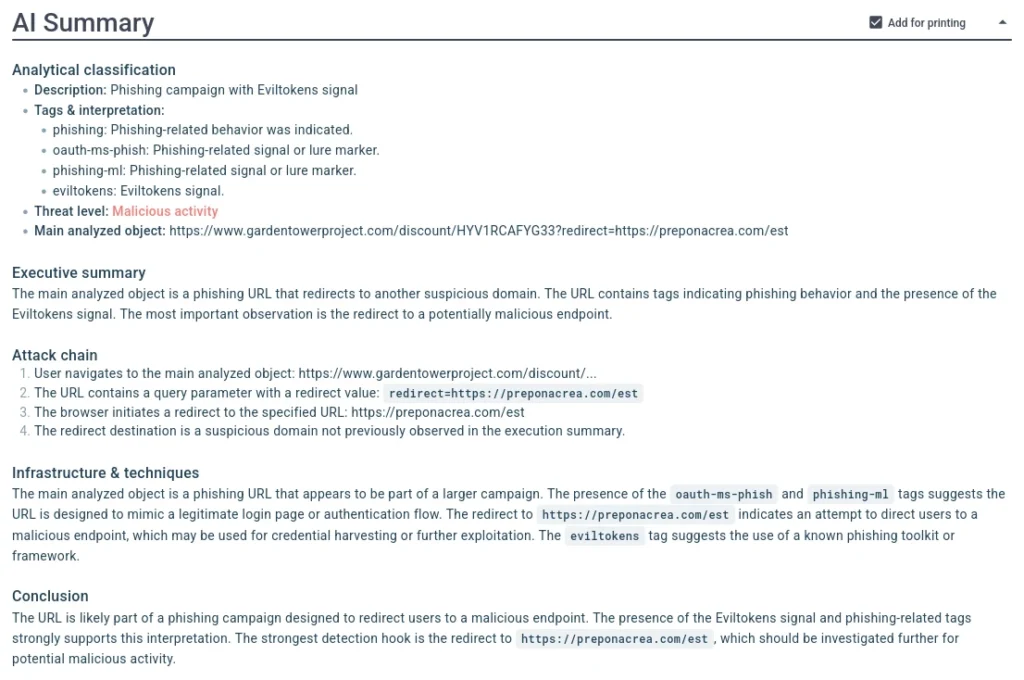
So, when a case reaches Tier 2, the analyst already has the main evidence and context in front of them. They can focus on the parts that actually need deeper analysis instead of repeating work Tier 1 has already done.
This also helps keep more cases from moving upward unnecessarily. Teams using ANY.RUN report 30% fewer Tier 1-to-Tier 2 escalations and 20% less time spent on Tier 1 investigations.
And the same report does not have to stop at the internal handoff. Relevant findings can also be reused when updating customers, giving MSSPs a faster way to explain what was found and what action may be needed without writing the case from scratch again.
4. Threat Data Starts Piling Up Faster Than Teams Can Use It
As an MSSP grows, analysts have more alerts to investigate and more indicators to check along the way.
If analysts still have to search for every suspicious IP, domain, or URL manually, that adds another repetitive step to already busy investigations.
Bring Fresh Threat Data into the Systems Analysts Already Use
Threat intelligence Feeds can bring verified malicious IPs, domains, and URLs directly into the MSSP’s existing security stack, including SIEM, SOAR, TIP, and other detection and investigation systems.
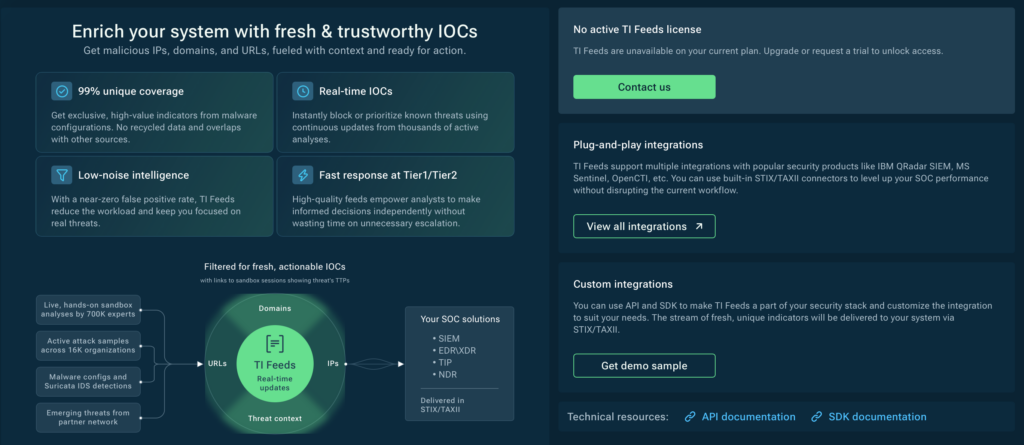
That gives analysts fresh threat data where they are already working instead of making them search for every indicator separately.
The feeds can also support correlation and enrichment. When an alert contains infrastructure that has already been seen in malicious activity, analysts have more information available from the start and can prioritize the case faster.
For a growing MSSP, this reduces another source of repetitive work while making fresh threat data available across the SOC.
5. SLA Pressure Shows Up Before Headcount Does
As the client base grows, so does the number of response-time commitments the SOC has to meet. More investigations, handoffs, and customer updates all compete for the same analyst time.
That gets harder when each stage of the investigation sits in a different place and analysts have to keep carrying information from one system to another.
Bring More of the Investigation into One Workflow
ANY.RUN covers different parts of the investigation through its solutions.
The Sandbox helps analysts expose the attack and collect evidence. TI Lookup extends that investigation when they need to understand related infrastructure or activity. TI Feeds make fresh indicators available in the security systems the team already uses.
This keeps more of the work connected from analysis to threat context and detection, with fewer stops in between.
What Has to Change Before the Next 10 Clients Arrive?
Ten more clients should mean more revenue. They should not mean 10 more versions of the same manual work.
Before the next wave of customers comes in, look at where analyst time is already being lost. Which steps keep slowing investigations down? Where do analysts repeat the same research? Where does context get lost between teams? Which tasks become harder to manage when the queue gets busy?
Those are usually the areas that feel the pressure first as the client base grows.
| Growth pressure | What needs to change |
|---|---|
| More alerts | Reduce the manual steps needed to move an investigation forward |
| More suspicious files and URLs | Give analysts full behavioral visibility faster |
| More context gathering | Make related threat activity easier to investigate |
| More handoffs | Carry findings forward so the next analyst does not repeat the same work |
| More reporting | Reuse investigation evidence instead of rebuilding the case |
| More threat data | Bring fresh IOCs into the security systems analysts already use |
| More SLA obligations | Shorten the path from alert to verdict and response |
At scale, even small delays start to matter.
Minutes saved on research, handoffs, reporting, or IOC checks may look minor in one case. Across hundreds of investigations, they can add up to a significant amount of analyst capacity.
What Investigation Efficiency Can Change for an MSSP
The impact becomes clearer when you put numbers against it.
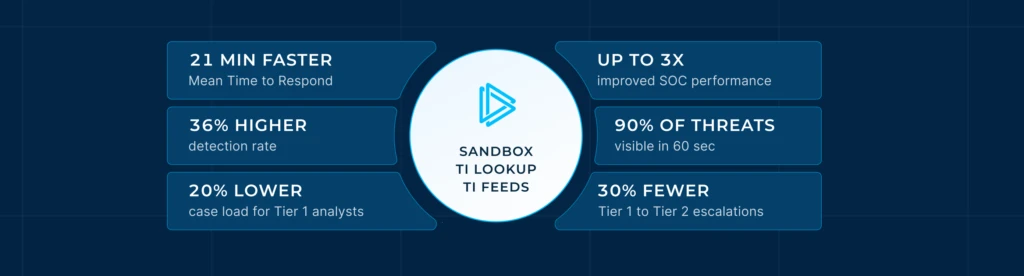
Teams using ANY.RUN report:
- 20% less Tier 1 investigation time: More cases handled with the existing Tier 1 capacity.
- 30% fewer Tier 1-to-Tier 2 escalations: Less senior analyst time spent on routine cases.
- 21 minutes less MTTR per case: Faster movement from investigation to containment.
- 94% faster threat triage: More room to keep queues manageable as volume grows.
About ANY.RUN
ANY.RUN provides interactive malware analysis and threat intelligence solutions used by more than 700,000 cybersecurity professionals across 16,000+ organizations worldwide.
Its Interactive Sandbox gives analysts full visibility into suspicious files, URLs, phishing pages, browser activity, network traffic, processes, and other attack behavior. Threat Intelligence Lookup helps teams investigate related infrastructure and activity, while Threat Intelligence Feeds bring fresh IOCs into existing security systems.
These capabilities help reduce repetitive investigation work, give analysts more context, and support growing investigation volumes without adding the same amount of manual effort.




0 comments